


Asset Finance Information

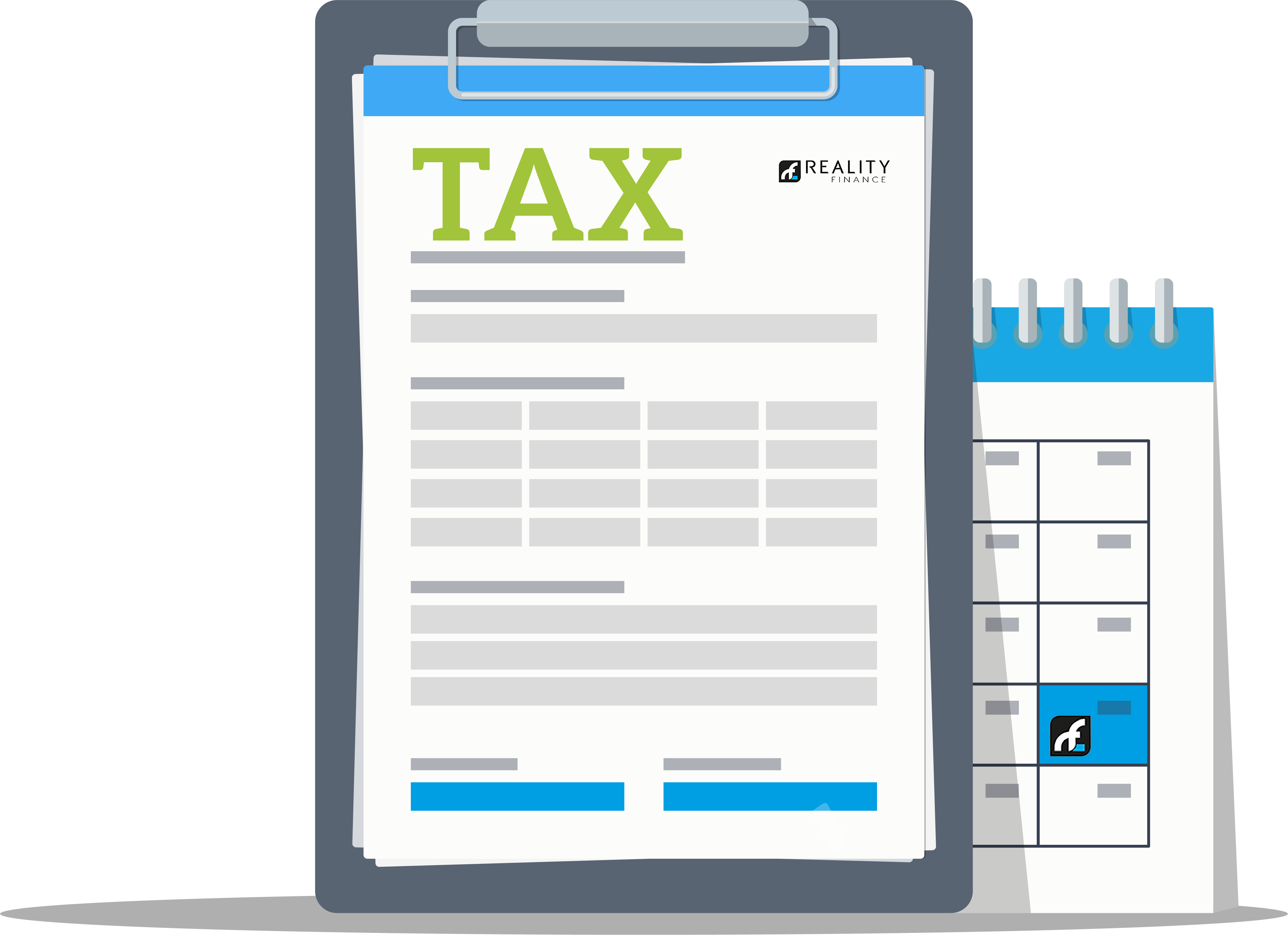
The Guide to Business Tax Funding

How to manage VAT, Corporation Tax, and Self-Assessment without disrupting cash flow

Tax is one of the biggest financial commitments a business will face — and it’s only getting bigger.

UK businesses now contribute hundreds of billions in tax each year, with Corporation Tax receipts and overall tax burden continuing to rise. For many SMEs, this creates a growing challenge: how to meet tax obligations without restricting cash flow, slowing growth, or putting pressure on day-to-day operations.

That’s where business tax funding comes in.

This guide explains how funding works across VAT, Corporation Tax, and Self-Assessment, and how businesses are using it not just to pay tax — but to manage cash flow more strategically.

What is Business Tax Funding?

Business tax funding allows you to pay your tax bill upfront to HMRC, while spreading the cost into manageable monthly payments.

Instead of a large one-off payment, you:

  • Pay HMRC on time
  • Avoid penalties and interest
  • Preserve working capital
  • Repay over an agreed term

It transforms tax from a lumpy, disruptive cost into a predictable monthly outgoing.

Corporation Tax funding is increasingly being used not just as a safety net, but as a planned cash flow tool — particularly for growing SMEs.

Why Tax Funding Matters More Than Ever

The landscape has changed.   Corporation Tax has increased to up to 25% for many businesses and overall UK tax receipts continue to rise. Initiatives like Making Tax Digital (MTD) are increasing visibility and compliance expectations.

At the same time, most SMEs still operate on tight cash flow cycles.

This creates a common problem: Unfortunately, Business Tax bills don’t always align with how businesses earn and spend money.  Large, fixed deadlines can clash with:

  • Staff bonuses
  • Unexpected invoices
  • Urgent need to upgrade software, hardware or critical business equipment

The result? Businesses are often forced into reactive decisions.

Tax Funding vs HMRC

VAT is one of the most common pressure points for UK businesses.

Quarterly payments can be substantial — particularly during periods of growth where sales increase faster than cash is collected.

How VAT Funding Works

  • A lender pays your VAT bill directly to HMRC
  • You repay the amount monthly, over the quarter
  • Terms are aligned to your cash flow

Why Businesses Use VAT Funding

  • Avoid large quarterly cash outflows
  • Maintain liquidity for stock, wages, and operations
  • Reduce reliance on overdrafts
  • Keep payments predictable
VAT Funding


Corporation Tax Funding

A strong year often brings a significant Corporation Tax bill.


While this reflects business success, it can also create a sudden drain on cash — especially if a business get’s off to a bad first quarter or has to pay out on unexpected costs or invoices. 


How Corporation Tax Funding Works

  • Your tax bill is paid in full
  • You spread the cost over monthly repayments over 3, 6, 9 or 12 months
  • Terms are tailored to affordability


Why Businesses Use It

  • Avoid depleting cash reserves after a profitable year
  • Continue investing in growth
  • Maintain working capital
  • Align tax costs with revenue cycles

For directors, sole traders, and partnerships, Self-Assessment can create significant personal financial pressure.

Large personal tax bills are often funded from:

  • Dividends
  • Savings
  • Or business cash


How Self-Assessment Funding Works

  • Finance your tax bill upfront
  • Repay monthly over a fixed term


Why It’s Used

  • Avoid draining personal savings
  • Protect business liquidity
  • Reduce financial stress
  • Maintain flexibility
Self-Assessment Tax Funding

How Tax Funding Supports Business Growth

This is where tax funding becomes strategic.  Instead of treating tax as a cost to absorb, businesses are using funding to:

  • Preserve working capital for growth
  • Invest in revenue-generating assets
  • Maintain momentum during busy periods
  • Smooth cash flow across the year
  • It shifts tax from a reactive burden to a planned financial decision.

  Request a call back


Frequently Asked Questions (FAQs) on Business Tax Funding

When Should You Consider Tax Funding?

Tax funding is worth considering if:

  • You want to avoid large upfront payments
  • You have upcoming VAT, Corporation Tax, or Self-Assessment bills
  • You’re planning investment or expansion
  • You prefer predictable monthly costs
  • You want to keep cash available for operations

How Quickly Can You Get Funding?

Speed is critical when deadlines are approaching.

Most funding solutions offer:

  • Approval within hours
  • Funds available in 24–48 hours
  • Minimal paperwork

This allows you to act quickly and avoid penalties.

What is business tax funding?

Business tax funding allows you to pay VAT, Corporation Tax, or Self-Assessment upfront and spread the cost over monthly repayments.

Can I fund multiple tax liabilities?

Yes — VAT, Corporation Tax, and Self-Assessment can all be funded, individually or together.

How quickly can I get business tax funding?

Many applications are approved within hours, with funds available in as little as 24–48 hours.

Can I spread my VAT payments?

Yes — VAT funding allows you to convert quarterly VAT bills into manageable monthly payments.

Is Corporation Tax funding available in the UK?

Yes — businesses can fund their Corporation Tax bill and repay over 3 to 12 months.

Simon Humphreys

Author

Simon Humphreys

Business Development Manager

Latest posts
Article Thumb

Offer Outstanding UK Finance on Used John Deere Equipment

Many suppliers are choosing Reality Finance when it comes to supporting customers with machinery and equipment funding.

+8 October, 2025

Article Thumb

The Secret to Selling More Sage? Monthly Payment Options

The Secret to Selling More Sage? Monthly Payment Options through Monthlii

+4 September, 2025

Article Thumb

The Business Guide To Asset Finance

Our Business Guide To Asset Finance is designed to answer all of your Asset Finance questions.

+29 August, 2025